Becoming an artist is never easy, but these are potentially museum-worthy bad times. Young artists today are coming up while federal funding for the arts is being slashed, cultural institutions are being dismantled, and technologies like AI are generating slop while pirating real artists’ creations.
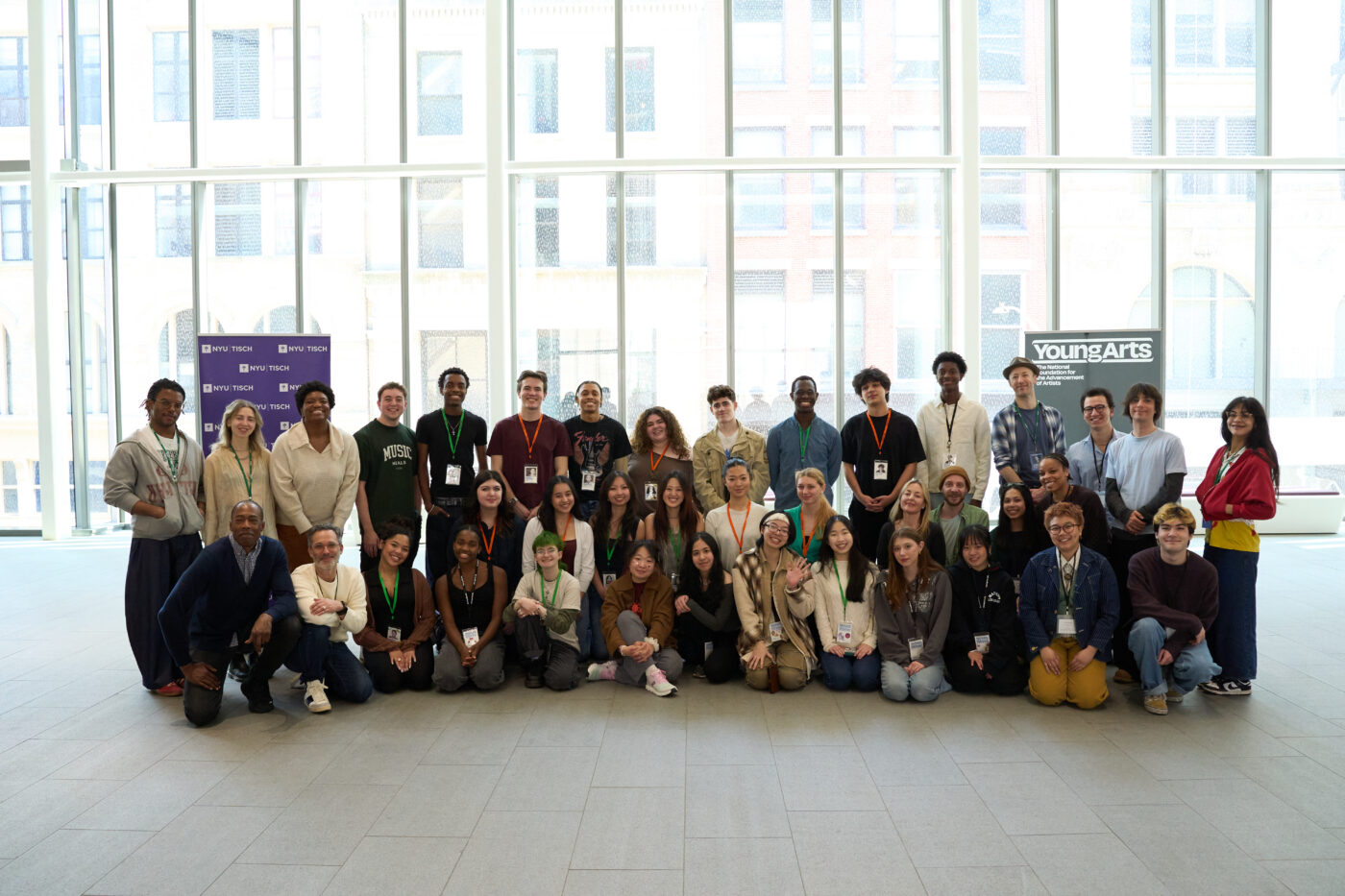
This doesn’t deter the 24 YoungArts winners at the 2026 YoungArts Lab: New York, who have convened to build skills and community around their art. But it certainly impacts the stakes of their work.
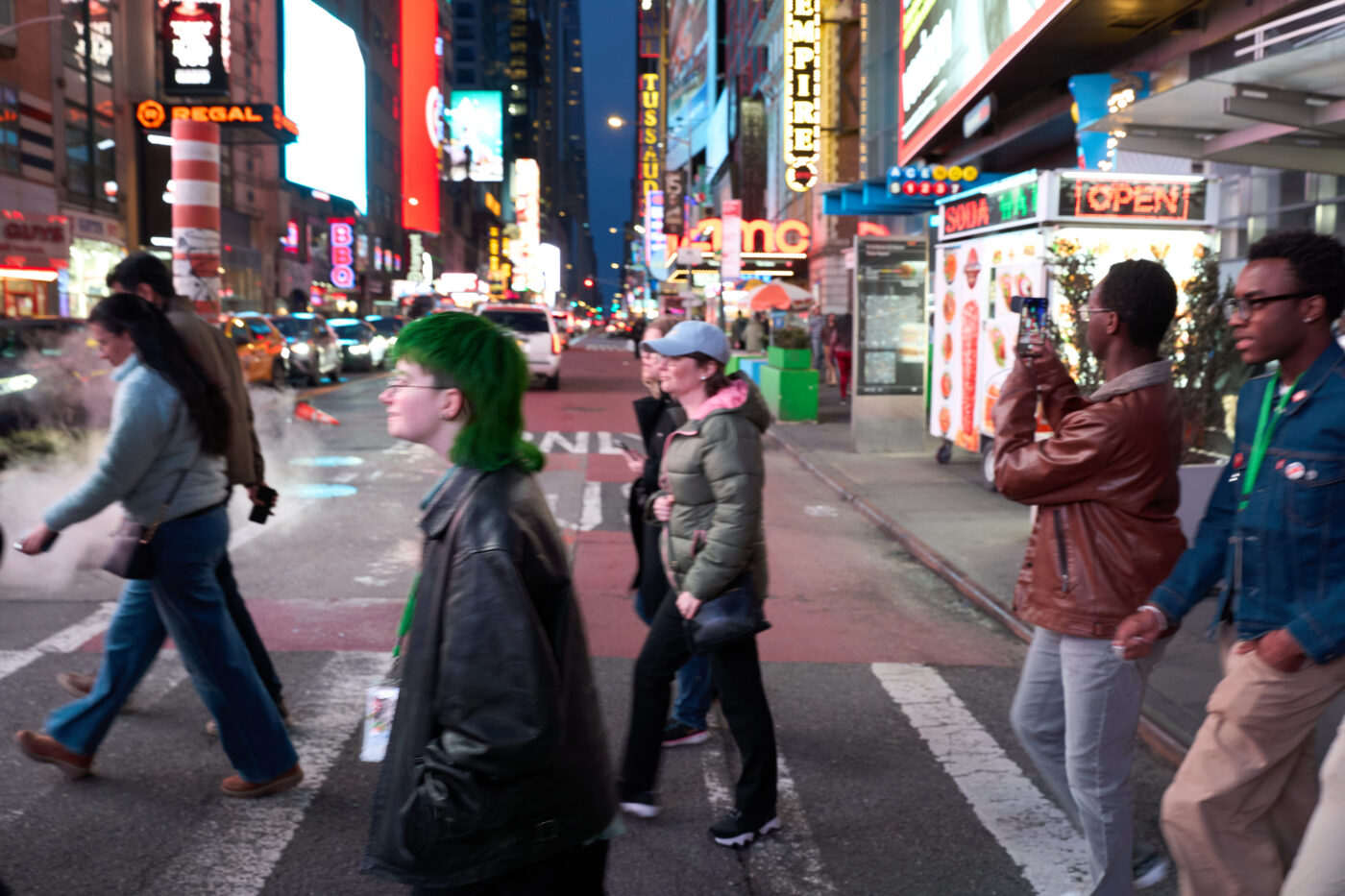
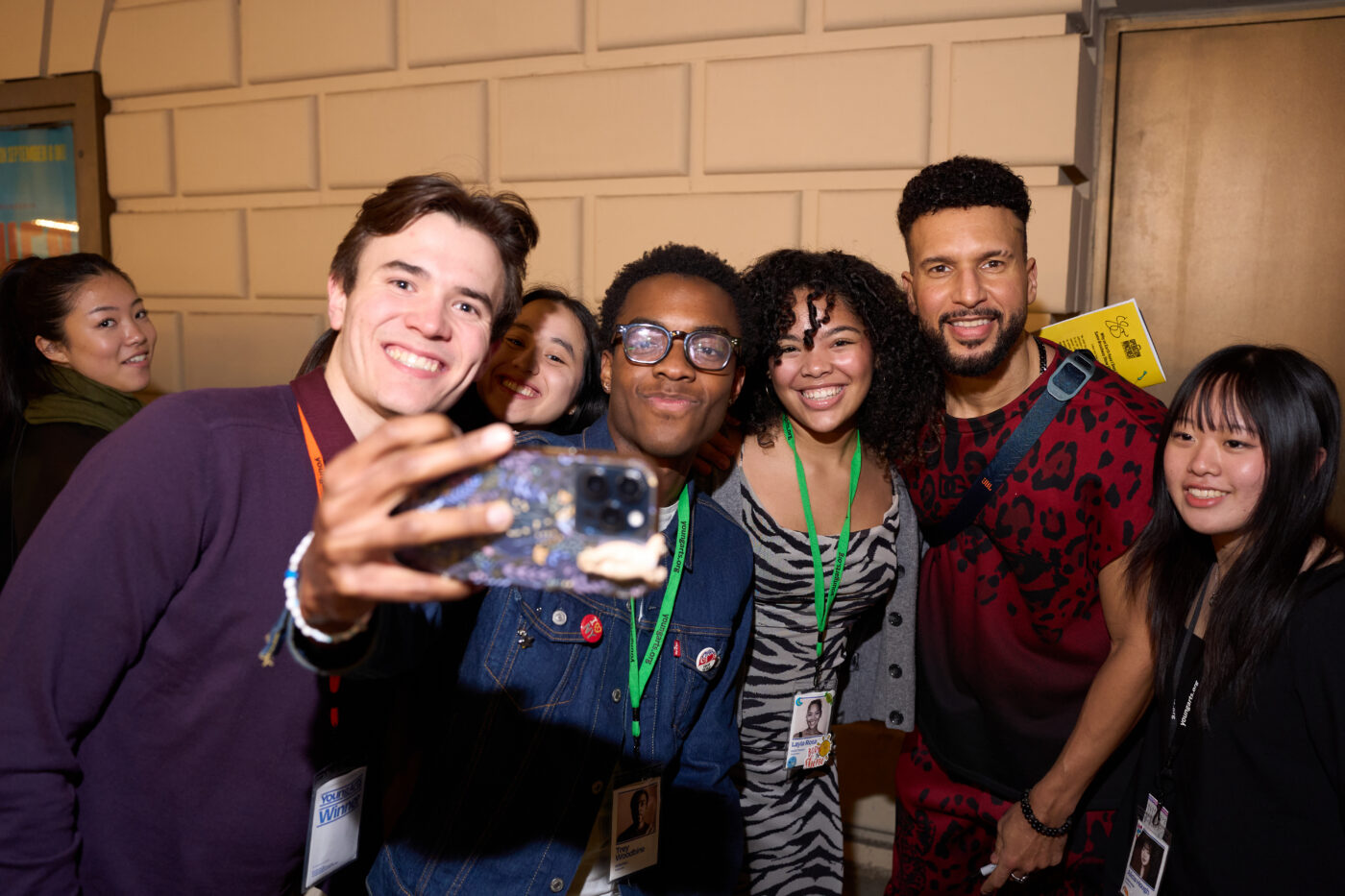
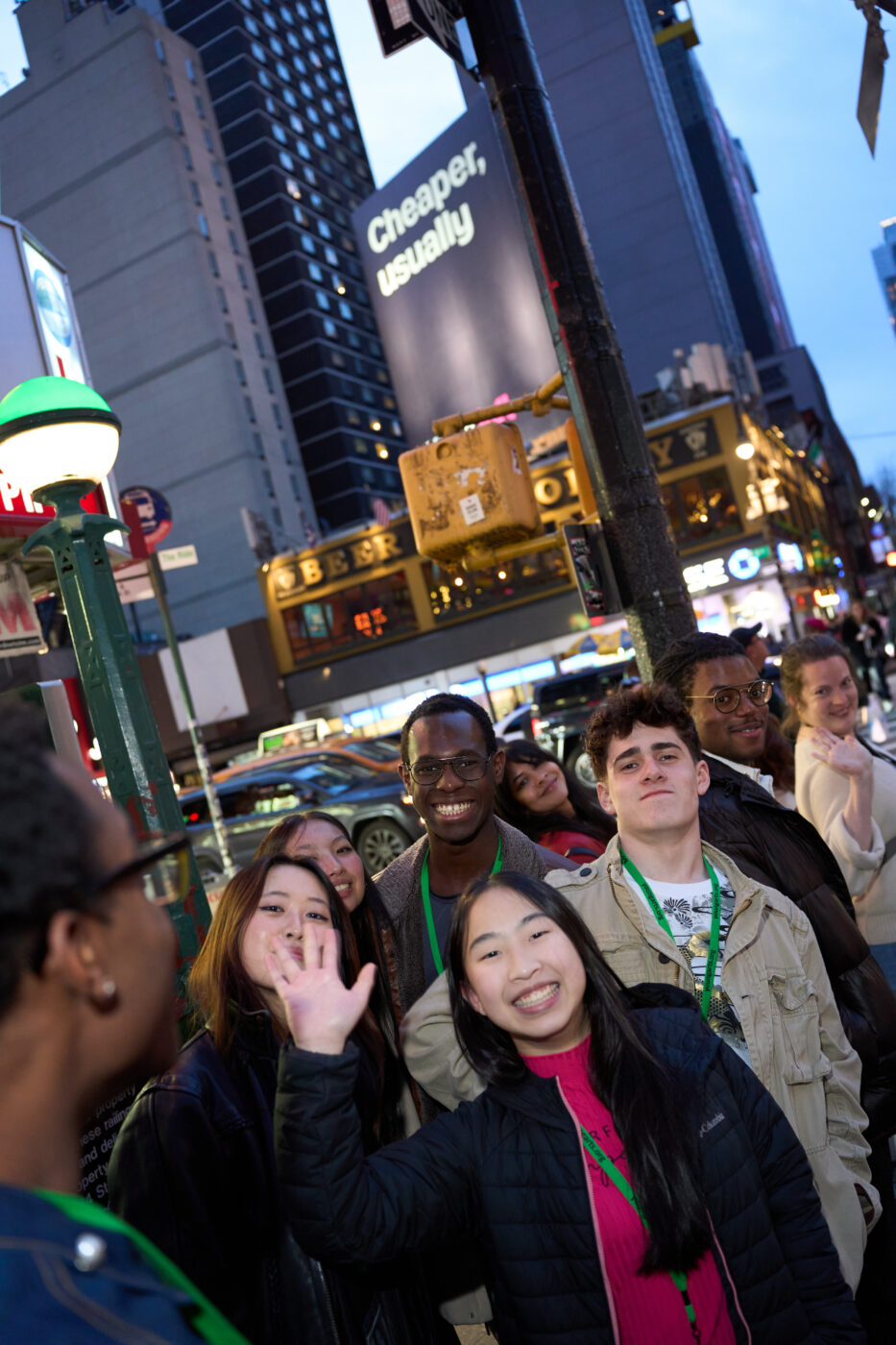
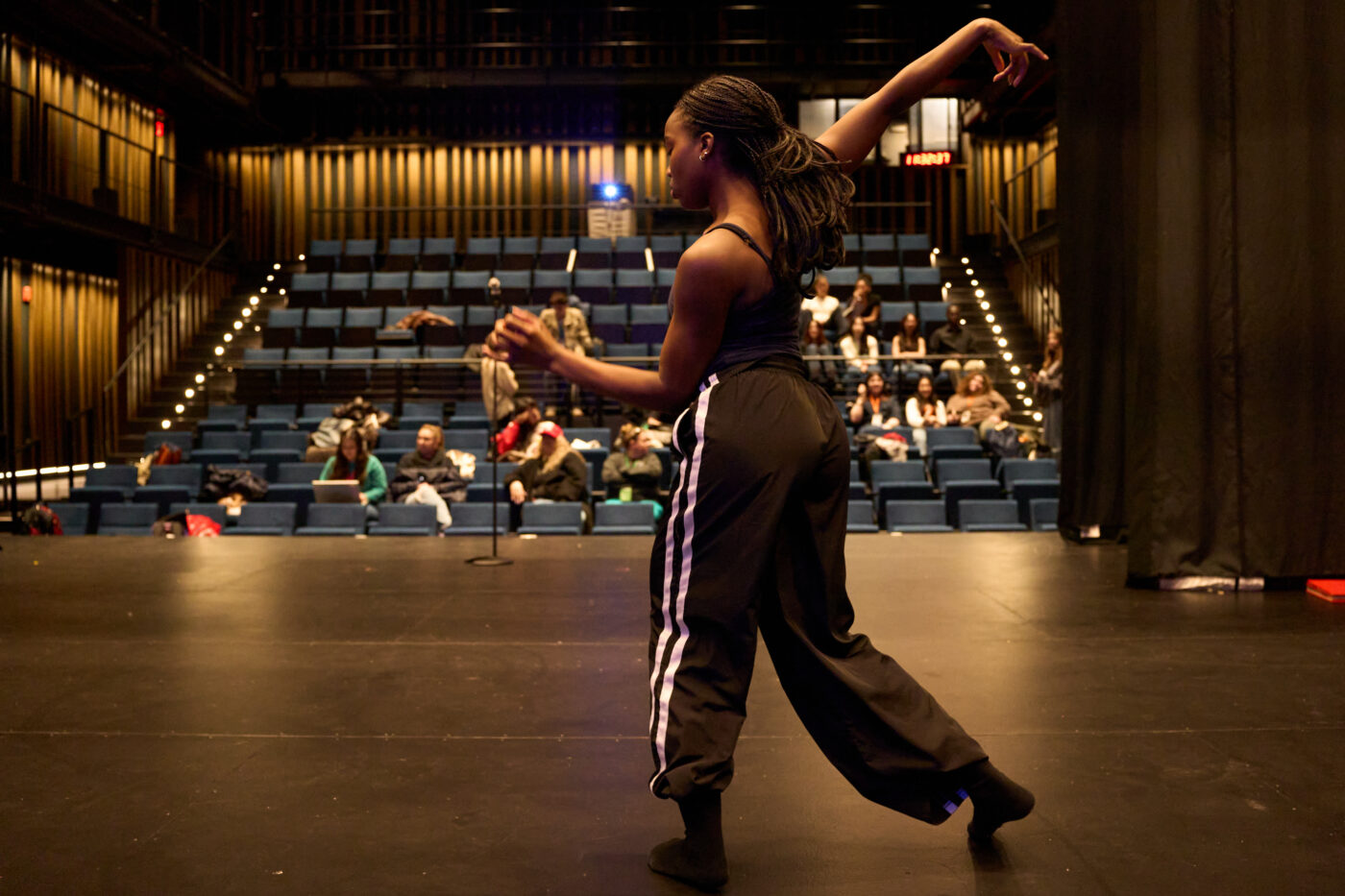
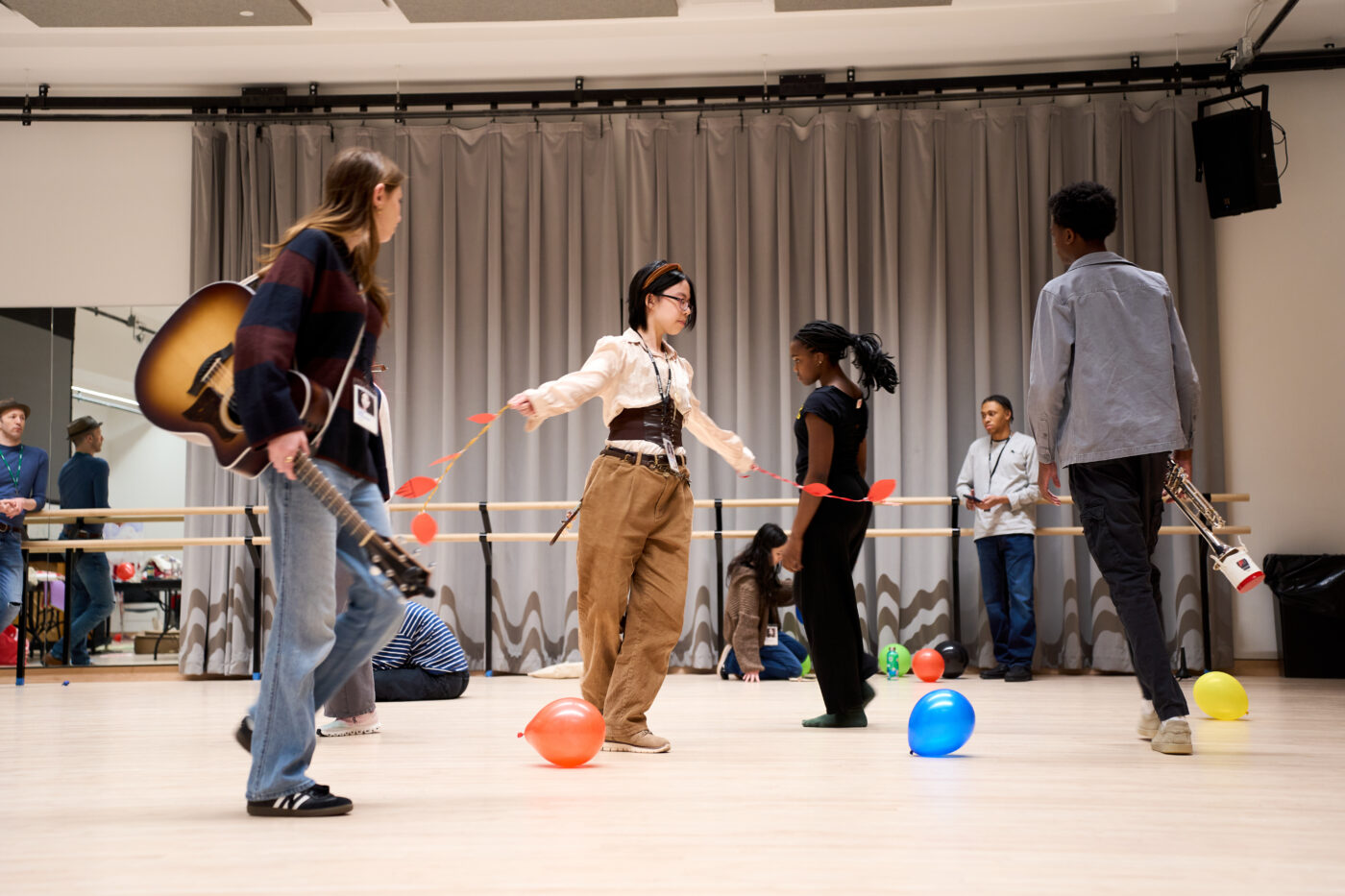
The weekend of events, led by composer Paola Prestini, producer and filmmaker Daniel Oxenhandler, and dance and interdisciplinary artist and educator Ogemdi Ude, included guest artist classes with Jad Abumrad, radio host, composer, and producer; Sxip Shirey, composer, producer and sound artist; and Jay Scheib, the stage director and playwright. The winners also attended Cats: The Jellicle Ball, complete with a stage-door experience with the actors. The Lab culminated with the winners performing original works at NYU. From workshops on soundscapes to impromptu live-streamed horror performances, to shared meals and connections with YoungArts winners past and present, it was a chance to reflect on the longevity and innovation of art in complicated times.
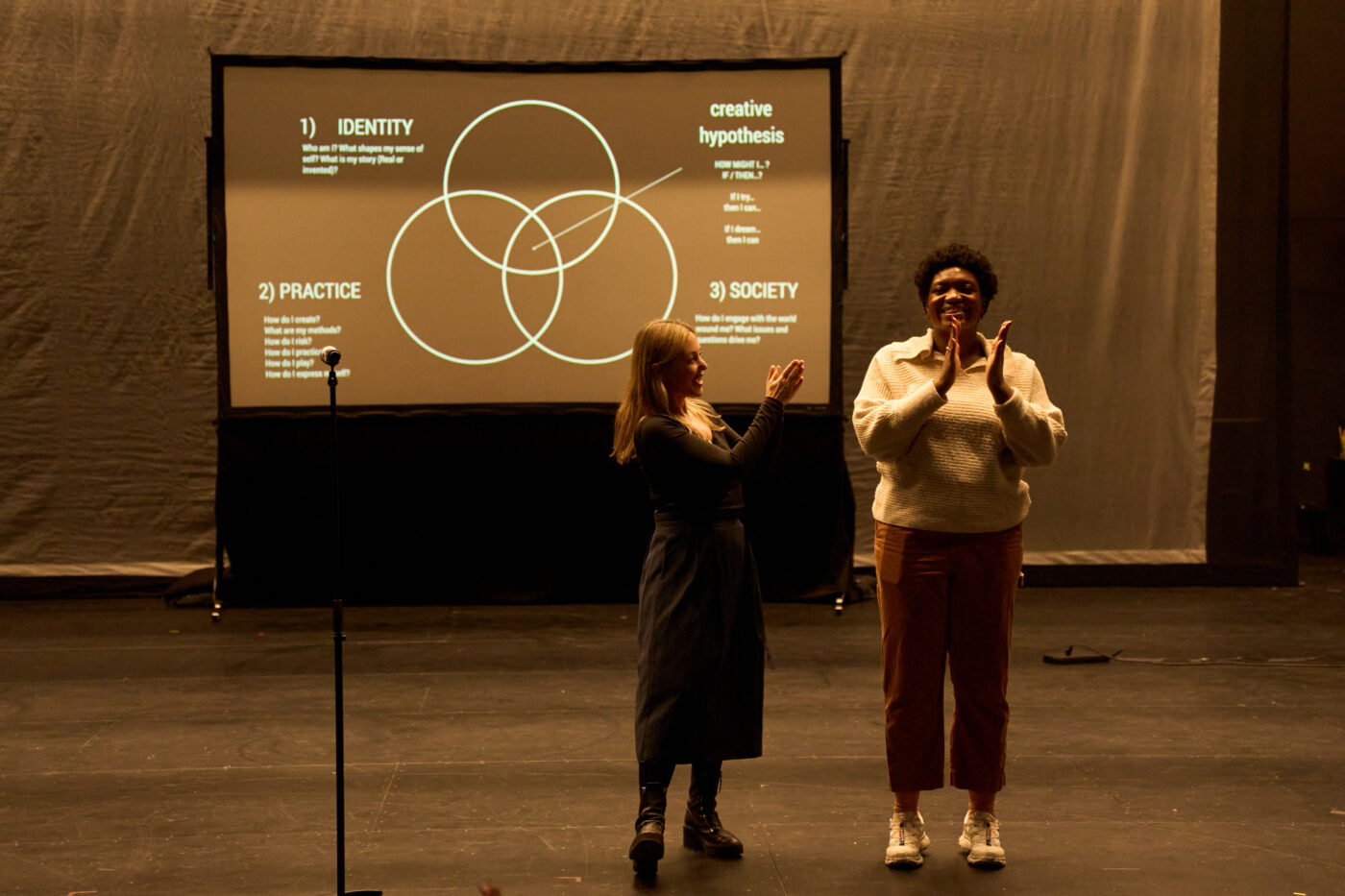
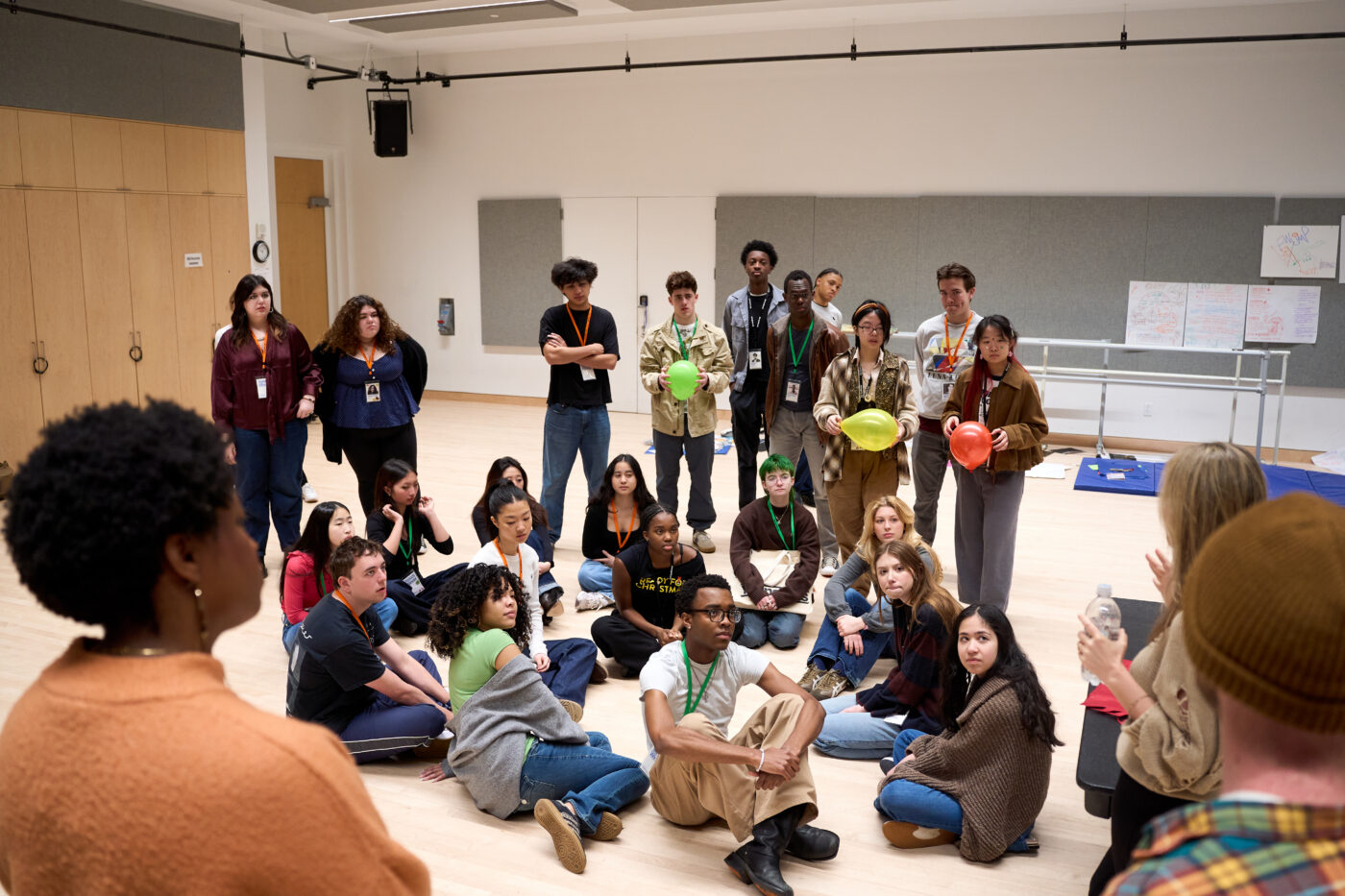
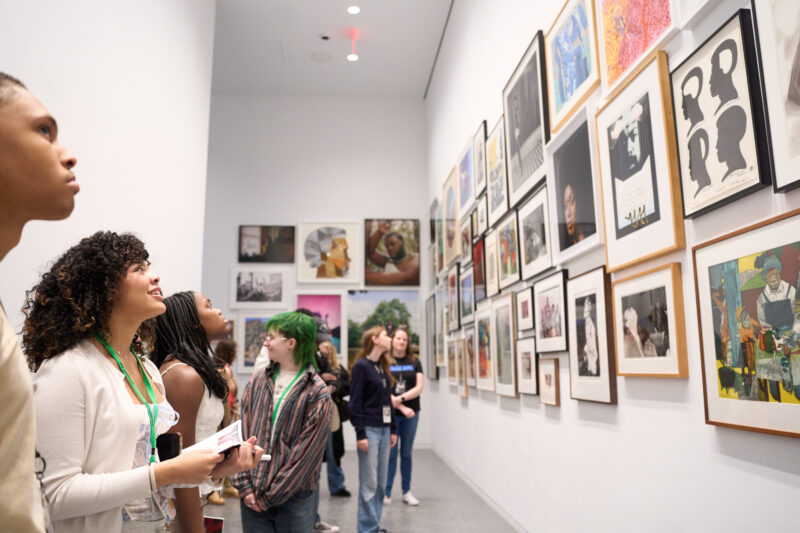
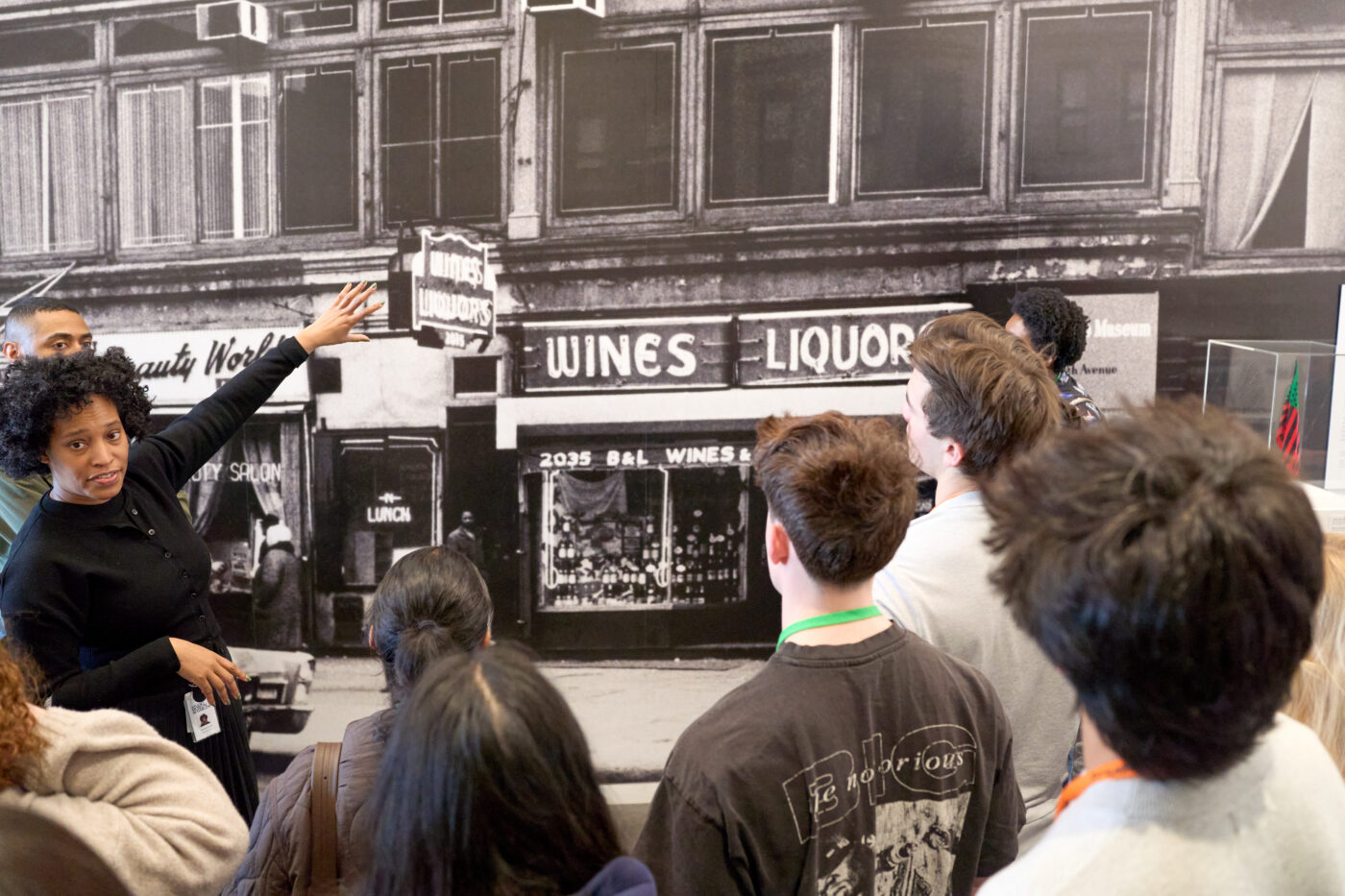
On Friday, we gathered in the Studio Museum of Harlem, a legendary cultural institution dedicated to preserving Black art against great odds. It was an honor to be greeted by champions of the arts like director Thelma Golden, whom the young artists were reminded “once stood in [their] shoes,” and to walk a hallway documenting the decades-long history of the museum, founded in 1968 — another famously galvanizing year for young people. Natasha Logan, the Chief Programs Officer at the museum, recounted the stories, telling us about artists creating sculptures so large and ambitious that they even cut a hole in the top of the ceiling, into office space, to accommodate it. It’s amazing to hear stories of artists enabled to dream big. It makes me hopeful that those opportunities will endure for younger generations.
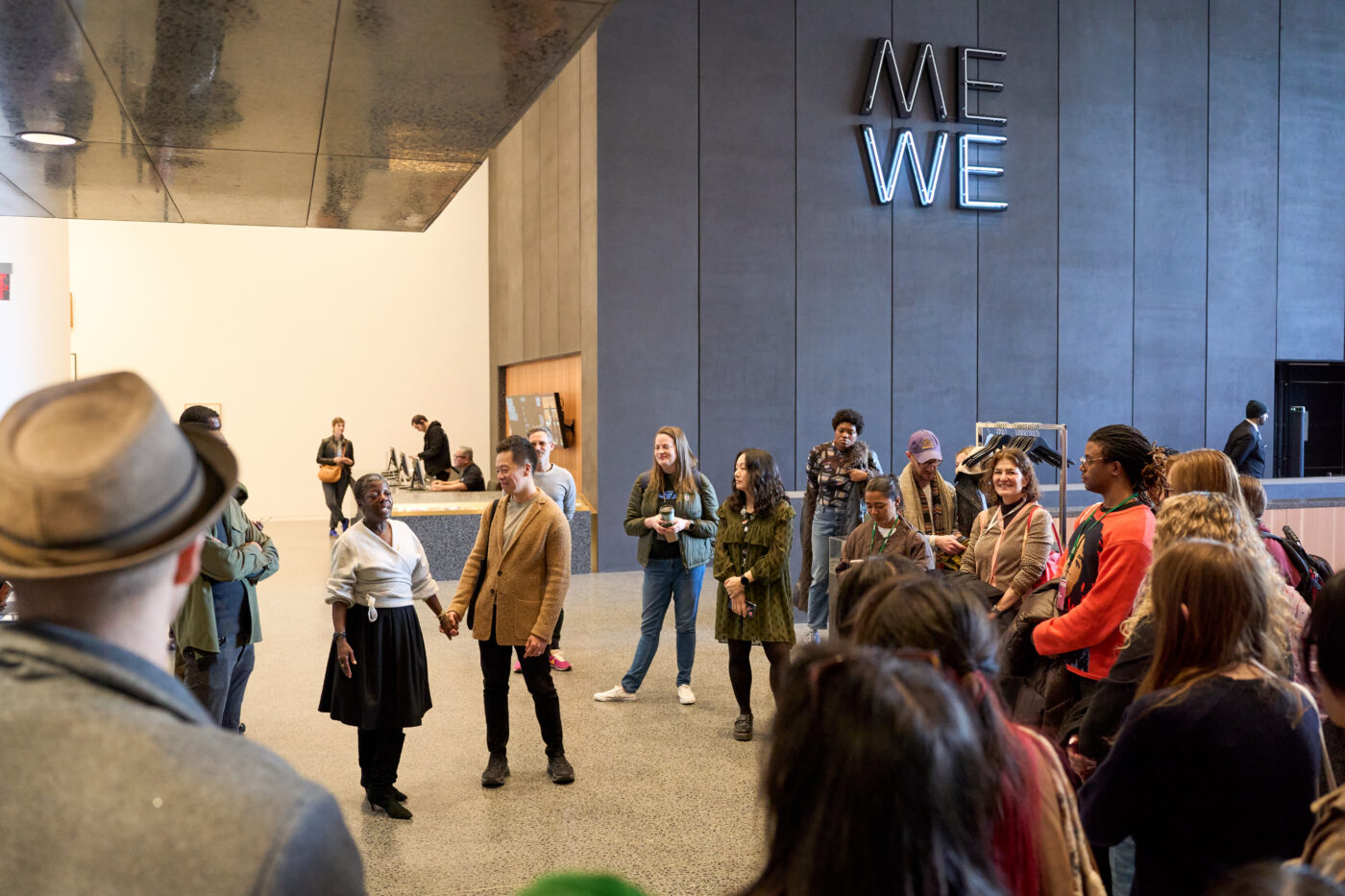
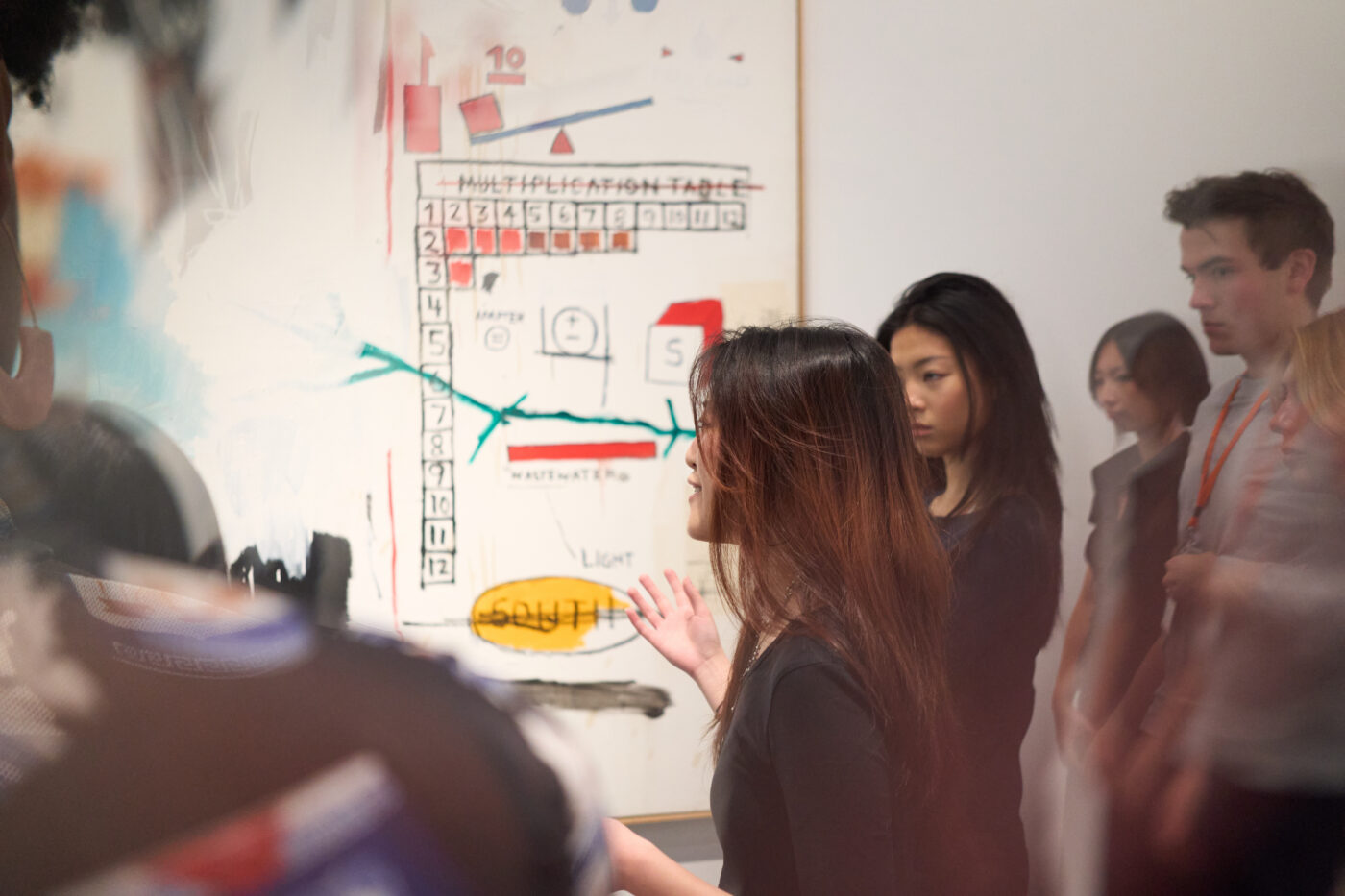
We gathered around the 1984 Basquiat painting Bayou, and I dropped in on a conversation between Liz, a winner in Photography and Yoonsuh, a winner in Writing. Liz tells us about her recent experience viewing contemporary abstract art with an acquaintance whom she describes as “working in corporate finance.” Liz’s fellow museum-goer made a dismissive comment that those of us in the arts are used to hearing, whether as dad jokes or from genuine haters: Anybody could do that! What is the point of suffering, denying yourself a steady paycheck, for making inscrutable modern art?
“Well, you couldn’t make that,” Liz responds, “because you don’t have the world building.”
She’s right — behind the deceptively simple, dreamlike Basquiat imagery are layers of social critique. He’s able to conjure feelings in unexpected and associative ways. This is what all of us are trying to do, across our mediums — make one thing feel like another. Make something feel unlike itself. As writers, we have a certain toolkit: tone, perspective, pace. Listening to Liz talk, I learn about her toolkit as a photographer, which she hones through experimentation and careful study of other artists.
Natasha Logan overhears the conversation too, and expands it to a group discussion: How do we defend art from its detractors? How do we convey the urgency of a Basquiat painting, which one could describe as slap-dash or scribbled, as important alongside traditional, recognized realist aesthetics — or important at all? In 2026, this is not a hypothetical question.
The answers that young artists offer tap into their own practices. Yoonsuh, a poet, compares a Basquiat painting to a koan: the Buddhist literary device of short parables or riddles that must be worked through to reach a collaborative truth. She says you need to be able to sit with the discomfort of not landing on the first logical explanation – the same thing a Basquiat painting demands of you. Gabe, a winner in Voice describes the challenge of all art: to communicate a complex stream of thoughts in a fixed medium. I find myself nodding my head. This is the magic of YoungArts: for many, including me, it’s the first place that we get to speak and think deeply about our private artistic practices, like secret rituals with ourselves, with others who feel the same. This is an important first step in visualizing a lifetime’s relationship to art.
Later, over soul food, I talk to young artists and learn more about their lives and aspirations beyond their mediums. I meet Lil, a winner in Dance, who stopped performing for several months during the pandemic because it was depressing to do in isolation, but has reclaimed their joy for embodied expression. They’re a college-bound senior, as is Celeste, a winner in Film, who is dedicated to archiving and chronicling her New York community. Her projects have required experimentation and innovation, including, at one point, putting her mom for several hours in a closed room alone to record a voice memo expunging decades of generational pain, which later formed the basis of a documentary. Perhaps unsurprisingly, her Lab highlight, she said, was the bus rides, where young artists let down their guard. “It was like a breath away from all of the activities we were doing, and it was an experience in itself. We all got to talk to each other about more personal things. It wasn’t just art uniting us together, we were still bonding as regular teenagers,” she told me.
We talk about what it takes to invest in yourself, particularly as women of color, pursuing a career in the arts. Later I remember this viral tweet: “Job market so bad I started following my dreams.” The joke is that a dream career, like the arts, is only a possibility when there are no other options, so you might as well do you. But this joke conceals the truth that the arts are exactly what makes life hopeful amid bad job markets, political chaos, or other difficult circumstances. My industry, literature, boomed in 2020, the year after I did YoungArts, because pandemic-confined people were turning to books for comfort. The young artists I met in New York do not forget the role that arts play in grounding and healing as they hone their craft, apply to colleges, choose their majors, and train for long-term careers that to many others are just a dream.
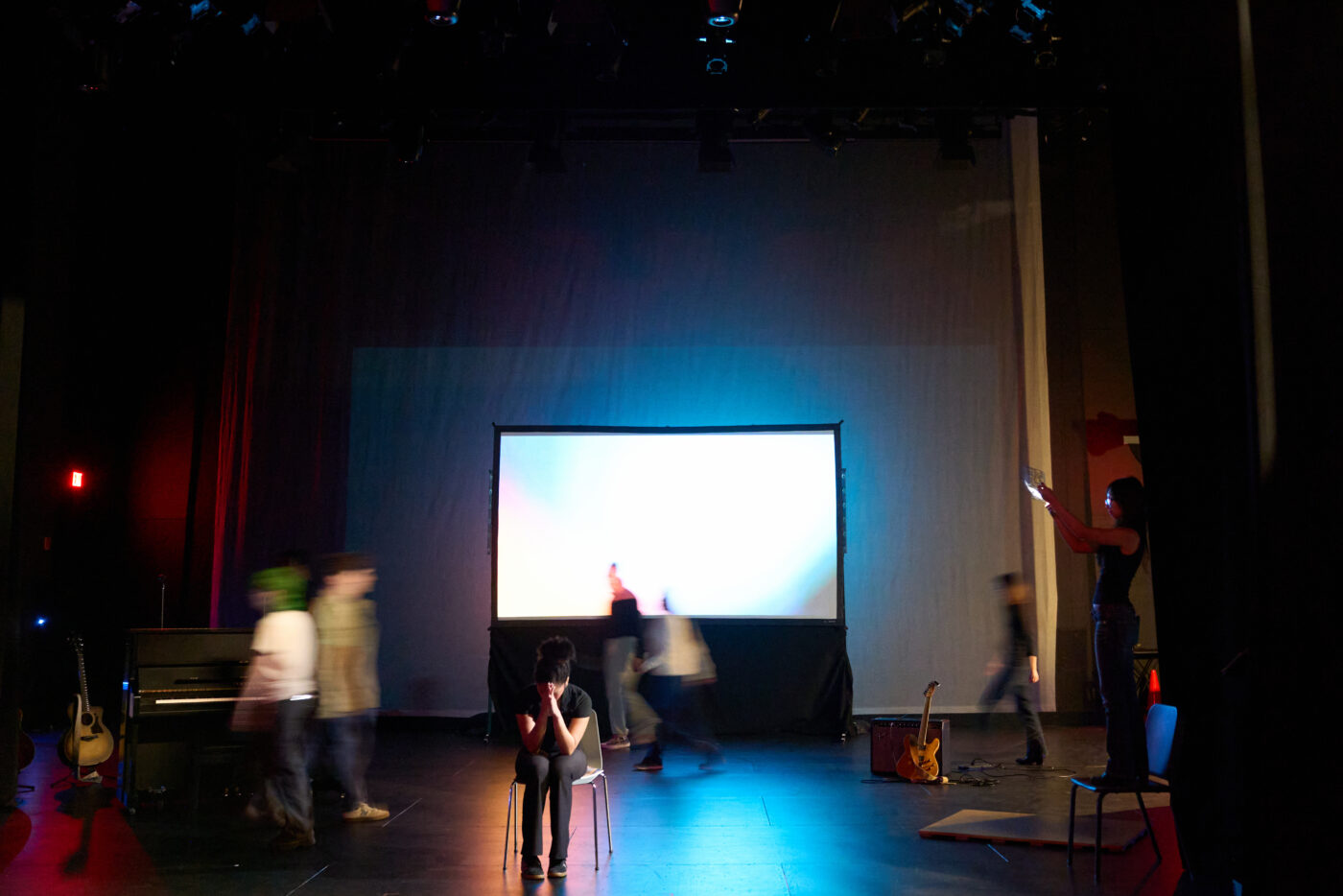
But sometimes it is dreamlike even to the artists: the possibilities for connection that arise in a single weekend. “The first night I was in my hotel room,” Celeste later wrote to me, “I heard a trumpet filling the hallways at like 10:30 at night. I was so confused. The night after I heard it again, and saw it was Jameson and Ryu, both winners in Jazz. Jameson played the trumpet and Ryu played the guitar. At first I was dancing along to their sounds, but then I took a seat to really watch and listen. The way they communicated with each other in this whole new language was so memorable. It truly was unforgettable.”